
The Latin America IP SME Helpdesk team proudly welcomes you to its blog, in which you will find updated information concerning Intellectual Property Rights in Latin America, as well as other interesting information about SMEs, Internationalization, R&D or Innovation.
Filter by
Latin America - Blog (72)
RSS
Groundbreaking EU-Mercosur partnership agreement. The Annex on Intellectual Property in the EU-Mercosur Agreement contains provisions to harmonise protection standards and ensure the effective enforcement of IP rights.

The two main news this year have been Uruguay becoming the 158th member of the Patent Cooperation Treaty (PCT), from January 2025; and the new IP Law in force in El Salvador.

Check the key Changes in the New Salvadorian Intellectual Property Law.

What would you do if you discovered that the board game you are yet to release is already being counterfeited? This is the case with Wonderbow games, and their new game “Kelp”, which is being released this October.

The LDPD focuses primarily on data processing by entities within Uruguay. It features a more flexible approach to data protection obligations and penalties, which is in line with Uruguay's legal and regulatory environment.

Chile’s proposed AI bill introduces an exception to the Chilean Copyright Law, allowing the use of large datasets for data mining, provided it doesn’t result in direct commercial exploitation of copyrighted material.


All you need to know about Confidential Agreements, NDAs and/or Trade Secrets in Mexico
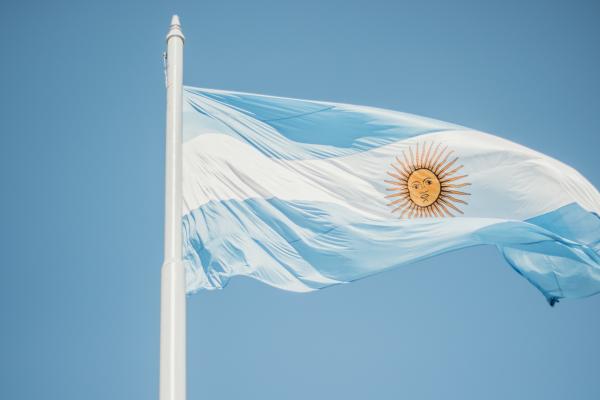
Currently, the long-awaited Draft Law on the Protection of Personal Data (the “Draft Law”) is with the National Congress of Argentina pending approval. If approved, it will be the first major legislative reform in data protection in Argentina since 2000.

On 5th October 2023, the Uruguayan government, submitted a bill to the Parliament for the accession to the Patent Cooperation Treaty (PCT)

What would Christmas be without Glühwein, Santa Claus, and the Latin America IP SME Helpdesk IP Yearly reviews? Check now the 2023rd edition!

This article tries to IP-complete one of the sectors that is a miss at many trade events, but one that is living its golden years as you are reading this article.
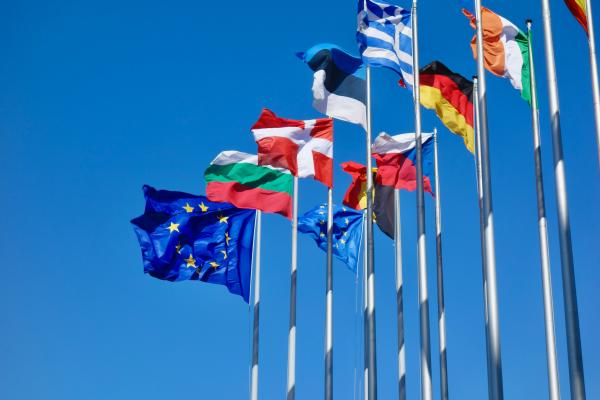
It is essential that SMEs consider protecting their creations through intellectual property and efficiently manage these assets to reap the most from their investment in Europe.

Understanding the relationship between board games and IP can be a bit tricky. How can you protect board games with Intellectual Property?

Non-traditional trade marks are not uniformly protected in Latin America and EU SMEs need to be aware of the different legal requirements and challenges for registering them in the region before entering those markets.

From time to time, a new disrupting technology generates a legal earthquake, and we are exactly in the middle of one…
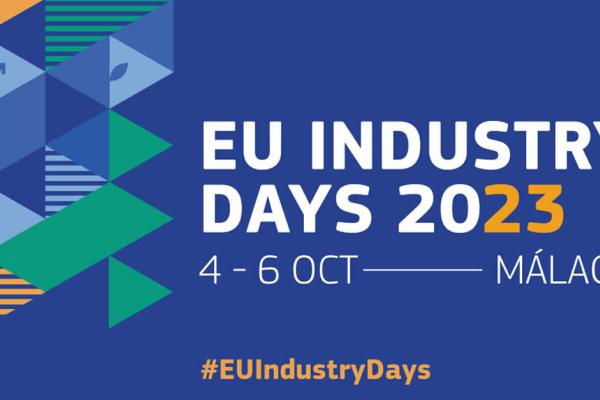
The EU Industry Days 2023 has brought together in Málaga the leaders of the European industry to unlock the full potential of the Single Market, contribute to EU industrial policy, and foster innovation for a truly green, digital, and resilient EU industry.

One of the most intriguing and challenging aspects of this technological advance is its impact on intellectual property. AI can create music, art, literature, and digital content with astonishing originality and quality, raising questions.

The Latin America and the European IP Helpdesk have both worked with ENRICH LAC to collaborate on a video on the Intellectual Property landscape in Europe.

As it was previously mentioned in Part I of this series on the protection of your IP on e-commerce platforms in Latin America, we will now look deeper into the specific issues of these platforms, with a quick guide on how to ensure that IP rights are best protected when doing business online in Lati